Why AI Nutrition Tracking Apps Aren't as Accurate as You Think: A Guide to Better Macro Tracking
If you're grinding toward fat loss, muscle gains, or just better energy, you've probably heard the hype around AI apps that let you snap a photo of your meal and BOOM
Instant macro breakdown
It sounds like a game-changer for ditching the hassle of logging. But if you've tried it and felt like your progress stalled, you're not alone. I've seen this countless times. While AI is advancing fast, it's still not accurate enough for the precision you need to hit your goals consistently.
In this blog, we'll dive into the evidence showing why photo-based AI tracking falls short, how those little calorie errors can totally derail fat loss, and why sticking with traditional tracking apps (with some good old-fashioned effort) is still the smarter path. I'll recommend some solid apps and explain why putting in the work now pays off big time.
More convenience doesn't always mean faster results. Sometimes it just hides the details that matter.
Let's get into it.
The Reality Behind AI Photo Tracking: Why It's Not as Accurate as Advertised
Picture this…
You plate up a stir-fry with veggies, chicken, rice, and a drizzle of sauce. You snap a photo, and the app guesses your calories and macros.
Cool, right?
But here's where things get tricky. AI uses image recognition to identify foods and estimate portions. It pulls from databases trained on tons of photos, but real life throws curveballs like poor lighting, overlapping ingredients, hidden sauces, or unique recipes.
Recent studies back this up.
A 2025 systematic review found that AI dietary tools' accuracy varies widely by platform and food type, with errors stemming from things like portion misjudgment or undetected items. For example, one scoping review noted that while AI identified 77% of foods correctly in child-parent interviews, it missed 12.4% entirely. In controlled tests, apps like SnapCalorie show a 16% mean error rate, while others claim 90% accuracy.
But that's often for simple, isolated foods, not mixed meals.
Overall, AI can hit 74% to 99.85% accuracy in ideal conditions, with top apps like MyFitnessPal reaching 97% for basic scans. But for complex dishes, errors climb to 10-30% or more, especially in non-Western or home-cooked foods.
A 2025 study on AI chatbots estimating ready-to-eat meals pegged nutrient accuracy at 70-90%, far from perfect for daily tracking.
Bottom line.. AI is great for quick estimates, but it often underestimates or overestimates by 200-500 calories per day if you're not double-checking.
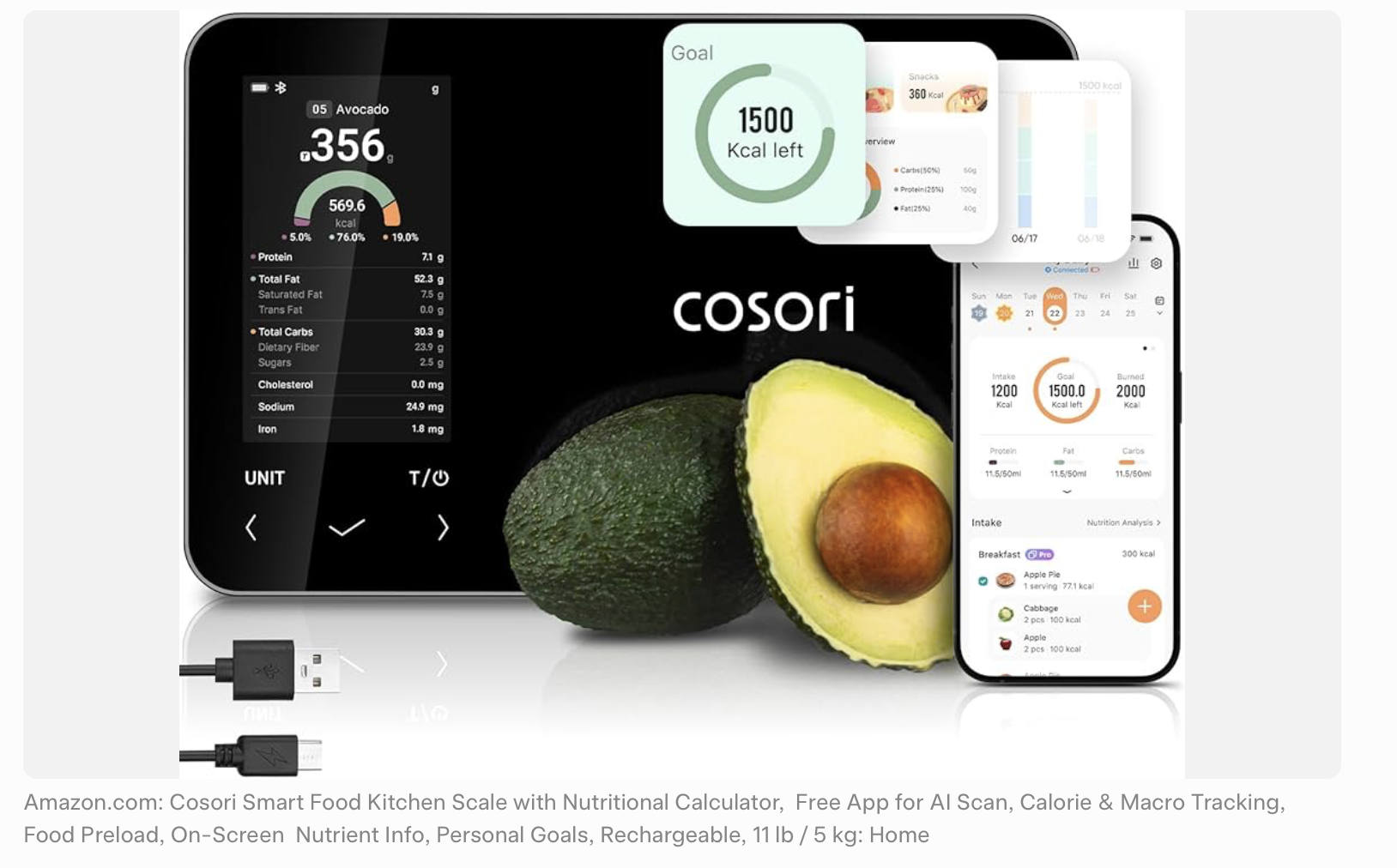
How Those Calorie Discrepancies Can Stall Your Fat Loss
Now, how can this impact things?
Fat loss boils down to a calorie deficit (aka burn more than you consume). If you're aiming for 500 calories under maintenance daily (about 1 pound lost per week), even small errors add up. Say your AI app underestimates a meal by 200 calories three times a day, that's 600 extra calories sneaking in. Over a week, that's 4,200 calories, or over a pound of potential fat loss wiped out.
Evidence shows this isn't just theory.
Inconsistent tracking leads to plateaus because you're not in the deficit you think you are. Studies on nutrition apps highlight that while AI can improve adherence by making logging easier, inaccuracies in energy estimates (especially for fats and carbs) throw off macro balances. For fat loss, hitting protein targets is key to preserving muscle, but if AI misses hidden fats or portions, you might overeat carbs without realizing.
Clients tell me they felt like they were "doing everything right" but saw no scale movement, until we switched to precise tracking and the results kicked in.
Why Traditional Tracking Apps Are Still the Gold Standard for Accuracy
Don't get me wrong… AI has its place as a starting point.
But for reliability, traditional apps with manual entry, barcode scanning, and verified databases win every time. These let you weigh portions, search exact items, and adjust for specifics, cutting errors to near zero when done right.
Research supports this.
Manual methods with weighing outperform AI in precision, especially for mixed meals. Apps like Cronometer use verified data, minimizing the variability seen in AI's image guesses. A 2025 review emphasized that while AI boosts speed, human-verified logging ensures better long-term accuracy for personalized nutrition.
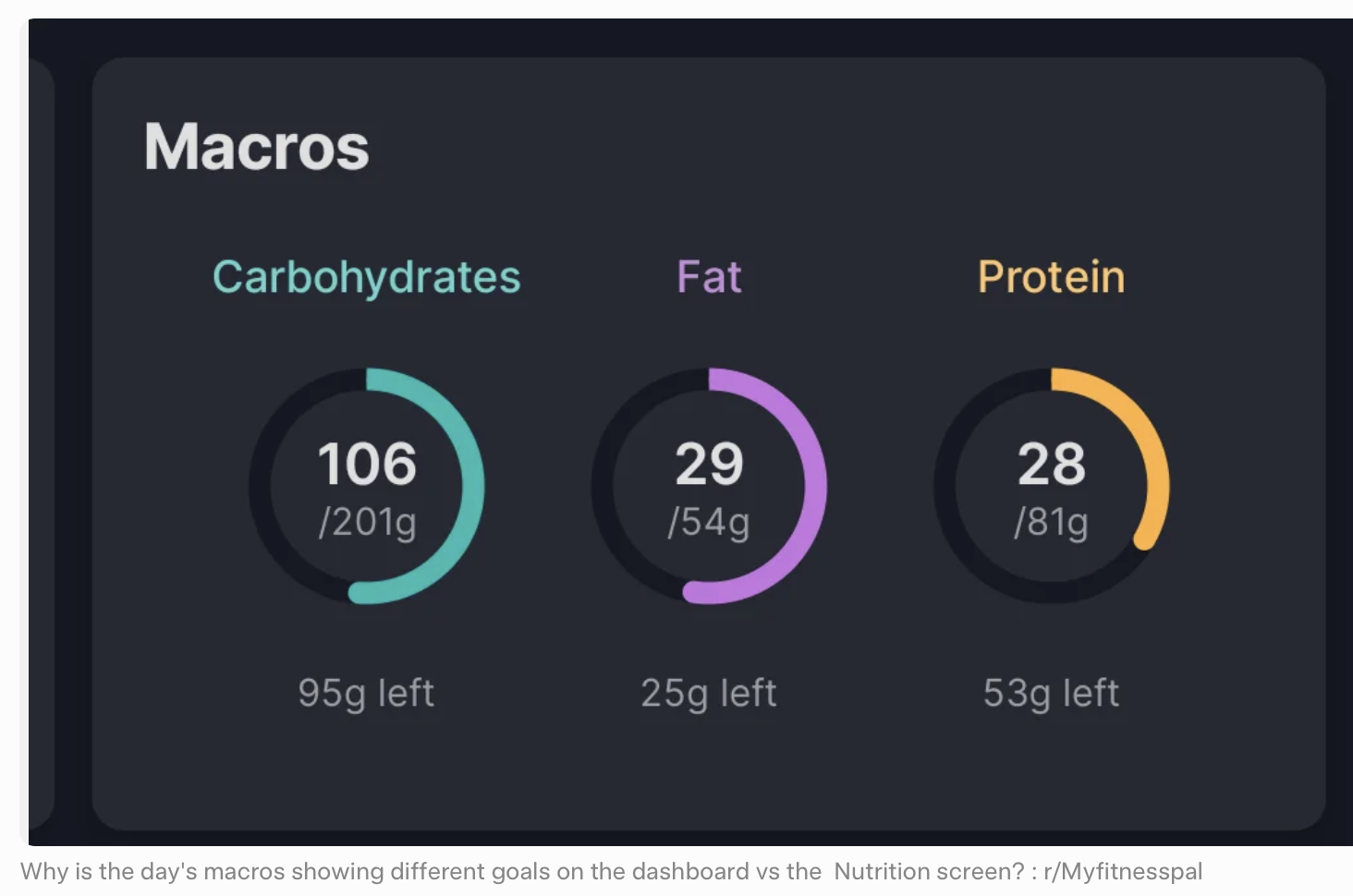
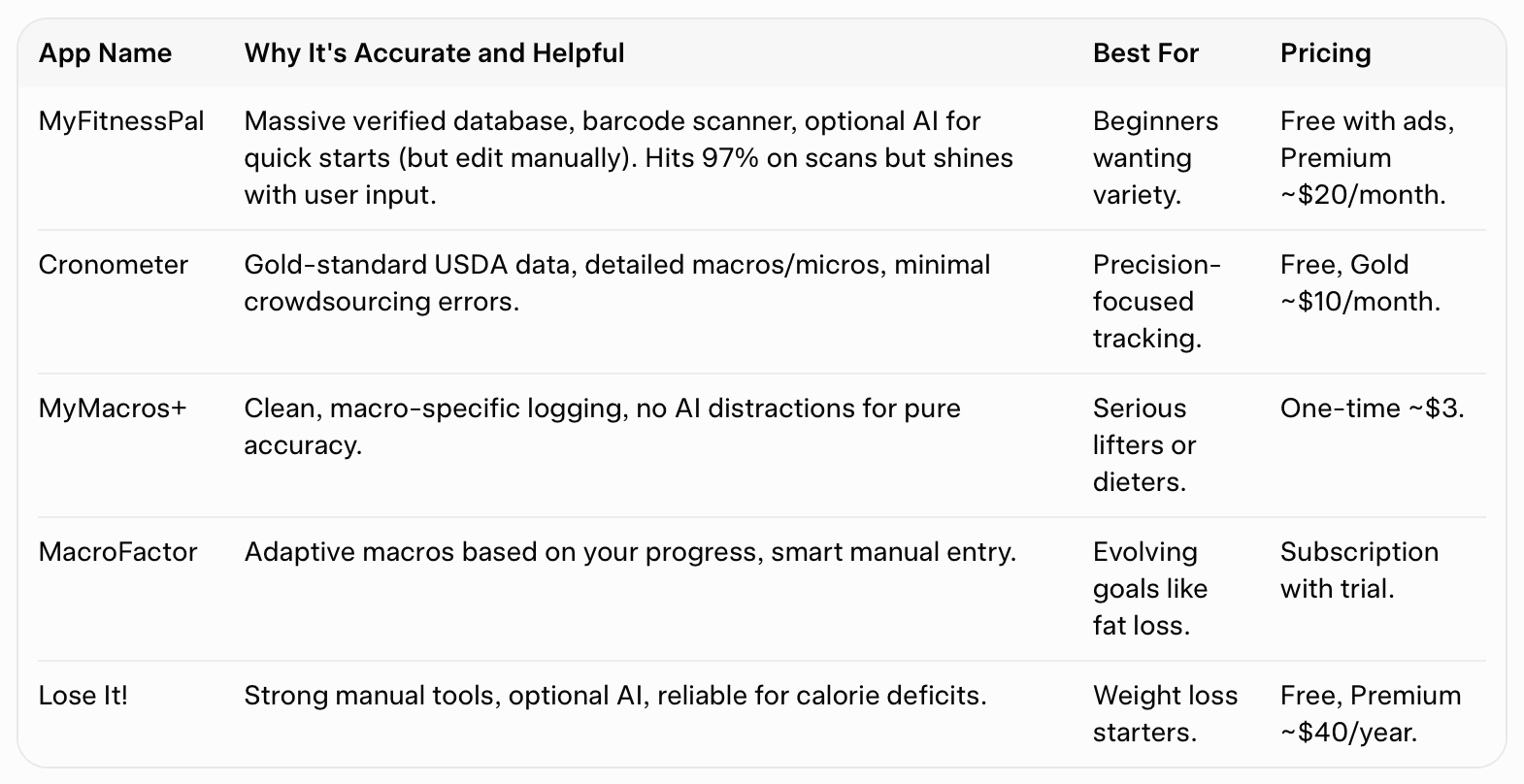
Here are my top app recommendations for 2026, based on accuracy, ease, and features:
Embracing the Effort: Why More Work Now Leads to Better Results
Yes, weighing food and manual logging takes more time upfront. You might spend 10-15 minutes a day instead of 2 with a photo snap.
But that's not a downside…
It's an investment.
Learning to portion accurately builds awareness that sticks for life. AI convenience can breed complacency, where you trust the app blindly and miss the education piece.
Studies show that while AI improves short-term adherence, long-term success comes from habits like mindful tracking. More AI doesn't always equal better outcomes. Sometimes it glosses over details, leading to those frustrating plateaus. Putting in the effort now means faster, sustainable results.
Think of it like training: shortcuts might feel good, but consistent work builds the real strength.
Ready to Dial In Your Macros? Let's Make It Happen
Tracking macros accurately is your ticket to the body and energy you want. If this resonates and you're tired of guessing, book a macro consult with me today. I'll calculate your exact needs based on your goals, lifestyle, and preferences.
No more trial and error.
Head over to https://www.thenattyhour.com/shop/macrocalculator to get started.
Questions or stories about your tracking journey? Let me know!
— Coach Krys